Heart Donut: A Designer's Review for Real Embroidery Projects
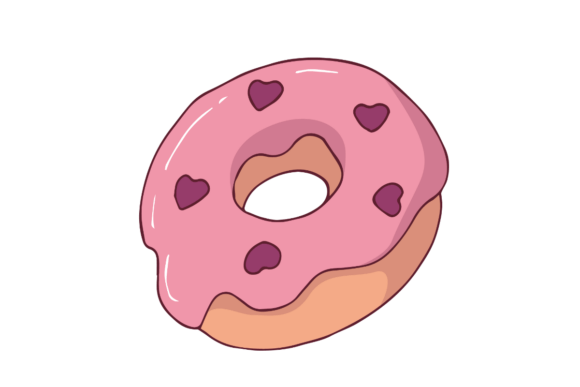
When I first opened the Heart Donut file, my initial reaction wasn't about the technical specs or the file format. It was about the mood. There is something undeniably charming about a design that balances sweetness with a touch of whimsy. This isn't just another generic heart shape; it is a yummy donut with glossy pink icing and tiny heart sprinkles that immediately suggests fun, nostalgia, and approachability. As an experienced designer who reviews digital assets before they ever hit the hoop, I look for designs that tell a story, and this one definitely does.
The visual personality of Heart Donut screams "treat yourself." It feels perfect for sweet treat designs, Valentine's projects, bakery branding, and fun sticker sets. But as someone who has seen too many cute designs fail in real-world application due to poor stitch density or inappropriate scale, I wanted to dig deeper. How does this embroidery file actually perform when you are trying to create a finished product that customers will love? Let's walk through a practical scenario to see where this design shines and where you might need to tread carefully.
From Digital File to Finished Product: A Real-World Test
Imagine you are an Etsy seller preparing for a holiday craft fair. You have a stack of blank canvas tote bags and some soft, organic cotton baby onesies ready to be transformed into personalized gifts. You decide to use Heart Donut as the centerpiece for your "Sweet Shop" collection. The goal is to create items that feel handmade but professional enough to command a higher price point.
In this scenario, the design works beautifully. The rounded shapes of the donut translate well onto curved surfaces like the front of a tote bag or the chest area of a sweatshirt. The glossy pink icing concept relies heavily on thread color contrast, which can make the design pop against neutral backgrounds like cream, light grey, or denim blue. When stitched correctly, the tiny heart sprinkles add a layer of detail that elevates the piece from a simple graphic to a tactile art object. Customers running their fingers over the raised satin stitches of the icing and the textured fill of the donut dough often express delight at the quality of the work.
This design also fits seamlessly into nursery decor or holiday gift lines. Imagine a pillow cover featuring Heart Donut surrounded by other confectionery-themed elements. The playful nature of the graphics makes it an excellent choice for baby embroidery or children's apparel. It bridges the gap between a commercial embroidery project and a heartfelt personalized gift. For a small business owner, having a versatile asset like this means you can pivot quickly from selling custom aprons to creating boutique branding materials without needing to redesign everything from scratch.
Where the Design Demands Caution
While the aesthetic appeal of Heart Donut is high, every machine embroidery design has its limitations. If you are planning to use this on a cap or a hat, you need to consider the curvature. The donut shape is relatively compact, but if the hoop size is too small for the specific curve of the cap, the design could become distorted. Always confirm the recommended hoop size before starting, especially if you are working with curved surfaces like caps or sleeves.
Textured fabrics can be tricky. If you attempt to embroider Heart Donut on a heavy, nubby fabric like bouclé or a very loose weave, the details of the heart sprinkles might get lost in the texture of the material. Thin or stretchy fabrics require extra attention to stabilizer selection. Without proper support, the tension of the satin stitches used for the icing could cause the fabric to pucker, ruining the clean lines of the donut shape. In these cases, using a cut-away stabilizer is often the safest bet to maintain the integrity of the finished product.
Dense stitch areas are another factor to watch. If the original design files rely heavily on dense fill stitches to create the "glossy" look, ensure your machine can handle the thickness without skipping stitches. On dark fabric, the pink icing might not show up vividly unless you choose a high-quality, opaque thread or use a specific underlay technique. Always test the design on scrap fabric first to check thread color contrast and inspect small details like the sprinkles. If the design is intended for frequent washing, such as kitchen towels or aprons, verify that the stitch density is sufficient to prevent fraying over time.
Visual Appeal and Brand Consistency
For crafters and creative entrepreneurs, the visual consistency of your brand is paramount. Heart Donut offers a cohesive look that can help establish trust with buyers. When a customer sees a uniform style across your tote bag design, sweatshirt embroidery, and embroidered patches, it signals professionalism. The playful theme allows you to build a narrative around your shop—perhaps a "Bakery Collection" or a "Valentine's Special."
The design's clarity is crucial for recognition. In a crowded market like Etsy, a clear, well-executed image stands out. However, remember that what looks good on a screen in PNG or SVG form might behave differently once stitched. The transition from a flat digital asset to a 3D textile surface changes how light hits the threads. A glossy effect created by satin stitch can sometimes flatten out depending on the thread sheen. To mitigate this, compare light and dark fabric backgrounds during your mockup phase. Using printable mockups that simulate thread texture can give you a realistic preview of how the final item will appear.
Practical Notes for the Embroidery Designer
Before you commit to a large production run, there are several steps you must take to ensure success. First, review the stitch density. If the design instructions are vague, do not guess. High-density designs can lead to bird's nests or skipped stitches, especially on smaller hoops. Check whether the design works for both personal and commercial projects by reviewing the license terms provided with the download. Many digital products come with restrictions on how many finished items you can sell.
Inspect small details closely. The heart sprinkles are a key feature of Heart Donut, but they are also the most vulnerable part of the design if the resolution is low or the stitch count is insufficient. Ensure your stabilizer matches the weight of your fabric; a lightweight tear-away might not hold up on a thick hoodie, while a heavy cut-away could be too stiff for a delicate tea towel.
If you are selling digital product previews, ensure your images accurately represent the stitch texture. Over-saturating the colors in your photos to make the pink icing look more vibrant can lead to customer disappointment when the physical item arrives. Honesty in presentation builds long-term buyer engagement. Finally, always confirm licensing before selling finished items or digital products derived from the source file. Understanding the rights associated with the Crafts and Graphics category you are working in is essential for protecting your craft business.
Heart Donut is a delightful addition to any designer's library, offering a blend of charm and versatility. Whether you are decorating a custom apron for a client or adding a unique touch to a holiday gift, this design has the potential to elevate your work. By paying attention to fabric choices, stabilizer types, and stitch settings, you can transform this simple digital file into a stunning, high-value product that customers will cherish.