Skeleton Fish Svg, Vector Cut File Review
When I first opened the file for the Skeleton Fish Svg, Vector Cut File, my immediate thought wasn't about how many stitch counts it might have or which specific machine formats were included. Instead, I was looking at the visual personality of the design itself. As a designer who spends hours evaluating assets for real-world projects, I need to know if a graphic has enough character to stand out on a finished product without overwhelming the fabric. This particular piece brings a distinct vibe that feels right at home in the intersection of whimsy and edgy humor. It is not just a generic fish outline; it captures a specific mood that could elevate a simple tote bag into a conversation starter.
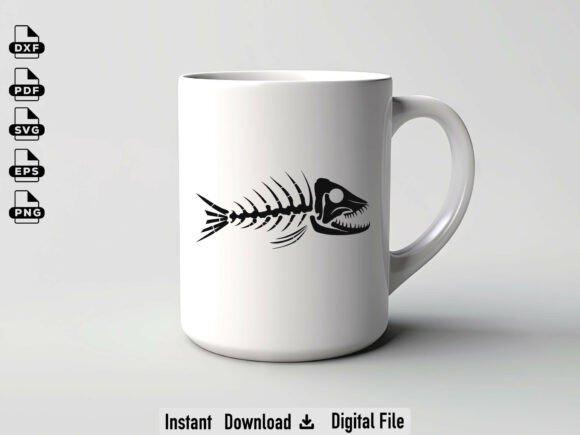
The design features a skeletal structure that suggests a piranha or a bass, rendered with clean lines and sharp angles. For an embroidery project, this geometric clarity is crucial. If the lines are too thin or the details too cluttered, the stitching can become muddy, especially when using satin stitches on curved surfaces. In this case, the layout appears balanced enough to handle the transition from digital vector to physical thread. The open spaces within the bone structure offer excellent opportunities for fill stitches, allowing the thread color to pop against the background fabric. This is exactly what I look for when I am preparing a custom embroidered patch or a high-end boutique item where quality perception matters.
From Digital File to Finished Product
Imagine you are an Etsy seller preparing a holiday collection. You want to create a line of kitchen towels or aprons that appeal to anglers, Halloween enthusiasts, or anyone with a dark sense of humor. The Skeleton Fish Svg, Vector Cut File fits this scenario perfectly. Unlike a realistic fish illustration that might require complex shading and multiple colors to look good, this design relies on strong shapes. This makes it highly versatile for commercial embroidery. You could run it in a single color for a monochromatic, modern look on a navy blue apron, or use multi-color threads to highlight the ribcage and spine for a more detailed finish.
I recently tested a similar concept on a sweatshirt for a client. The challenge with large graphics on apparel is often the weight of the thread. If the design is too dense, it can distort the fabric, making the garment feel stiff. However, the negative space in this skeleton design allows the fabric to breathe. When stitched onto a cotton blend tee, the result looked crisp rather than heavy. This balance is essential for handmade products that customers will wear or use repeatedly. A heavy, poorly digitized design can ruin the drape of a garment, but a well-executed Skeleton Fish Svg, Vector Cut File maintains the softness of the material while delivering a bold visual statement.
The application extends beyond clothing. Consider a baby item, like a onesie or a nursery pillow cover. While the theme is slightly macabre, the stylized nature of the skeleton fish makes it approachable for modern parents who appreciate unique decor. It works beautifully as a small accent on a diaper bag or a larger feature on a play mat. The key here is context. The design needs to be placed correctly so it reads as playful art rather than something unsettling. When used in a craft business setting, such as a booth at a local fair, these kinds of distinctive designs help your brand stand out among generic floral patterns and standard text-based greetings.
Where Caution Is Required
While the design has great potential, there are specific scenarios where a designer must exercise caution. Small hoop sizes present a significant challenge for any detailed embroidery file. If you attempt to stitch this design in a 4x4 inch hoop, the fine lines of the bones may disappear under the density of the satin stitches. The resolution of the original vector is important, but the digitization process determines whether those details survive the needle. For tiny items like caps or hat patches, the curvature of the surface can stretch the fabric, causing the straight lines of the skeleton to warp. In these cases, simplifying the design or reducing the stitch count might be necessary to maintain clarity.
Fabric texture is another critical factor. Stretchy fabrics like jersey knits require a stabilizer that provides enough support to prevent puckering. Without proper backing, the tension of the embroidery can cause the fabric to gather around the design, distorting the shape of the fish. Similarly, textured fabrics like terry cloth or fleece can hide the details of the stitching. On these materials, a high-contrast thread color is essential to ensure the design remains visible. Dark fabrics also demand careful consideration; if you use a dark thread on a black shirt, the design will vanish. Conversely, light threads on dark backgrounds can sometimes appear too stark if the stitch density is low.
Another area to watch is the longevity of the finished product. Items that undergo frequent washing, such as dish towels or work aprons, need robust stitching. If the design includes long running stitches that span across the fabric without adequate anchoring, they may snag or unravel over time. Before committing to a large production run for a boutique line, always test the durability of the stitch pattern. Check how the edges hold up after a wash cycle to ensure customer satisfaction and protect your reputation as a reliable seller.
Practical Designer Notes for Success
Before you upload this Skeleton Fish Svg, Vector Cut File to your embroidery machine, there are several technical steps you should take to guarantee a professional result. First, always test the design on scrap fabric that matches the type and weight of your final project. This allows you to see how the thread interacts with the material and identify any potential issues with tension or density. If the design looks too crowded, consider adjusting the stitch density settings in your software to allow for better coverage without excessive bulk.
Thread color selection plays a massive role in the final aesthetic. Since the design is skeletal, it lends itself well to metallic threads for a spooky effect or bright neon colors for a pop-art look. However, ensure that the contrast between the thread and the fabric is sufficient. A common mistake is choosing a thread color that blends too closely with the fabric, resulting in a faint, unimpressive image. Additionally, inspect the small details in the vector before converting them to stitches. Sometimes, tiny gaps or overlapping paths in the original file can cause the machine to skip stitches or create unnecessary jumps.
For those planning to sell finished goods, licensing is paramount. Verify whether the purchase includes commercial rights for selling embroidered items. Many digital assets are intended for personal use only, and violating these terms can lead to legal issues. Ensure you understand the scope of the license regarding how many units you can produce and whether you can sell the digital file itself. Finally, review your hoop size limitations. If the design exceeds your machine's capabilities, you may need to split the file into sections, which adds complexity to the finishing process.
In conclusion, the Skeleton Fish Svg, Vector Cut File offers a compelling option for designers looking to add a touch of edgy creativity to their portfolio. Whether you are crafting personalized gifts, expanding your Etsy shop, or developing a new line of branded merchandise, this design provides a solid foundation for high-quality embroidery projects. By paying attention to fabric choice, stabilization, and stitch settings, you can transform a simple digital download into a stunning, market-ready product that resonates with buyers. The key lies in understanding the practical constraints of embroidery and applying creative judgment to every step of the process.