Stop Wasting Time SVG Cut File: A Designer's Reality Check
As someone who has spent years reviewing embroidery files and testing design assets for real-world client work, I approach every new download with a mix of excitement and skepticism. You have likely seen the title Stop Wasting Time SVG Cut File on your feed, promising efficiency and style. But when you are an Etsy seller or a boutique owner, the difference between a profitable product and a return nightmare often comes down to how a design actually behaves under the needle. Today, I am putting this specific digital embroidery file through the kind of practical scrutiny that only hands-on experience can provide.
The First Impression: Mood and Visual Personality
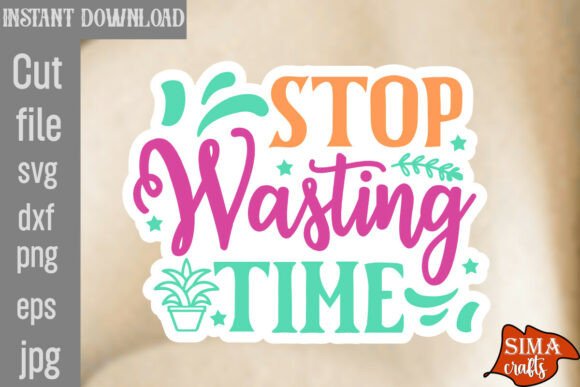
The moment you unbox the Stop Wasting Time SVG Cut File, the visual personality jumps out. It is not just a collection of lines; it carries a distinct attitude. The layout feels modern and punchy, designed to grab attention without screaming for it. For a designer looking to create a handmade product that resonates with busy parents, entrepreneurs, or anyone in the creative field, this mood is gold. The typography suggests a message of productivity and self-care, which translates beautifully into wearable art.
In terms of aesthetic value, the design avoids the cluttered look that plagues many generic graphics. It offers clean lines and a balanced composition that promises to look professional once stitched. When I imagine this on a finished piece, it feels like something that belongs in a curated shop rather than a mass-produced big-box store item. The graphics within the file suggest a versatility that fits well with current trends in custom apparel and personalized gifts.
Real-World Application: From Screen to Stitch
Let's talk about where this design truly shines. I recently considered using the Stop Wasting Time SVG Cut File for a custom order involving a high-quality canvas tote bag. The concept was simple: a witty, encouraging phrase embroidered in bold thread colors for a small business owner launching their brand. The file includes a .SVG format optimized for Cricut, but more importantly for us, it serves as a robust vector base for digitizing into a machine embroidery design.
The performance of this design in a real-life scenario depends heavily on how it handles different mediums. On a sturdy tote bag, the lettering would hold its shape perfectly, creating a crisp embroidered patch effect that adds significant perceived value. Similarly, I see this working exceptionally well on sweatshirt embroidery. The relaxed fit of a hoodie provides ample flat surface area, allowing the design to be centered and prominent. Imagine a holiday gift set where this phrase is paired with a smaller, complementary motif on a baby onesie. The contrast between the playful text and the soft fabric creates an emotional connection that drives sales.
For those running a craft business, the ability to use this asset for commercial embroidery projects is a major plus. Whether you are creating boutique branding items or preparing mockups for an online listing, the clean vector nature ensures that scaling the image up or down does not degrade quality. This reliability is crucial when you need to produce consistent finished products for a steady stream of customers.
Navigating the Challenges: Where to Exercise Caution
However, no design is perfect for every situation. As an experienced reviewer, I must highlight where the Stop Wasting Time SVG Cut File might face hurdles. If you plan to stitch this onto a curved surface like a cap or a hat, you will need to be meticulous about hoop placement. Curved surfaces distort the geometry of any design, and while the vector is clean, the physical stitching process requires careful tension management.
There are also limitations regarding fabric texture and thickness. Attempting this design on thin, stretchy fabric without proper stabilization is a recipe for puckering. The density of the stitches, if not adjusted during the digitization phase, could overwhelm delicate materials like silk or fine jersey. Furthermore, if you are considering using this for tiny details or intricate corners, proceed with caution. Small lettering can sometimes disappear if the stitch density is too high or the thread color lacks sufficient contrast against the background.
Dark fabrics present another consideration. While the design itself is neutral, the visibility of the final result relies entirely on your choice of thread colors. A light thread on a dark shirt will pop, but ensure your digitizer settings account for the necessary underlay to prevent the fabric from showing through the stitches. Always test the design on scrap fabric first to verify how the satin stitch or fill stitch interacts with your specific material.
Impact on Brand Value and Customer Trust
When you sell handmade goods, the quality of the embroidery speaks volumes about your professionalism. A sloppy stitch job can ruin the presentation of a personalized gift, leading to negative reviews and lost trust. Conversely, a well-executed design like the one found in this file elevates the entire product line. It signals to the buyer that you care about detail and durability.
The phrase "Stop Wasting Time" is inherently relatable, and seeing it professionally rendered on a kitchen towel or a pillow cover adds a layer of sophistication to the home decor market. It transforms a simple utility item into a statement piece. For an Etsy seller, this kind of design asset helps maintain brand consistency across various listings, making your shop look cohesive and established. The clarity of the lines ensures that even in printable mockups used for social media marketing, the design remains sharp and appealing.
Essential Notes for the Embroidery Designer
Before you commit to a large production run, there are several technical steps you must take. First, confirm the file formats provided. The download includes a .zip file containing 1 SVG, 1 DXF, 1 EPS, and a PNG at 300 DPI. While these are standard and useful, remember that an SVG is primarily for cutting machines. To use this for machine embroidery design, you will likely need to import the vector into your embroidery software to convert it into stitch data (PES, DST, etc.).
Check the licensing terms carefully. Just because you own the file does not automatically grant you unlimited rights to sell every finished item created with it. Ensure you understand the scope of the license for commercial embroidery and digital product resale. Also, inspect the small details in the EPS or DXF files to ensure no stray points or broken paths exist that could cause errors in your digitizing software.
Finally, always test your thread color contrast. What looks good on a screen might get lost in a sea of thread on fabric. Review the design in black and white mockups to check the balance of light and dark areas. Use the proper stabilizer for your chosen fabric to prevent shifting, and verify that the hoop size you intend to use accommodates the full design without cropping. By following these practical steps, you can turn the potential of the Stop Wasting Time SVG Cut File into a tangible, high-value asset for your creative portfolio.